 https://nsuartmuseum.org/wp-content/uploads/2026/09/OTP1903-thumbnail-scaled.jpg
946
2560
David Guidi
https://nsuartmuseum.org/wp-content/uploads/2021/03/NSU-Logo-2021.png
David Guidi2026-09-16 11:29:452026-10-21 09:44:04Michael Richards: Escape Plan
https://nsuartmuseum.org/wp-content/uploads/2026/09/OTP1903-thumbnail-scaled.jpg
946
2560
David Guidi
https://nsuartmuseum.org/wp-content/uploads/2021/03/NSU-Logo-2021.png
David Guidi2026-09-16 11:29:452026-10-21 09:44:04Michael Richards: Escape PlanMuseum
Docent Speakers Bureau
The Docent Speakers Bureau makes art come alive in the community. The Bureau brings lively and informative art history programs to groups of all sizes, including civic organizations, libraries, cultural clubs, and residential communities. One-hour PowerPoint slideshow programs, presented by NSU Art Museum-trained docents can be scheduled throughout the year in Broward and southern Palm Beach. Groups can choose from a wide range of art history topics designed to make art accessible and enjoyable.




Some Topics Include
Art and Romance Through the Ages
Romance and love have been of interest to artists since ancient times and continue to be in today’s world of radical innovation and experimentation. One thing remains constant in the human condition – the need to love and be loved. This presentation will shine a light on how artists have used Romance to inspire their Art. The artwork and artists will be both familiar and unfamiliar, but they are all important in significant ways.
American History in Pictures: The Stories we SEE
We learn a lot about American History at school, through art in public places and in the books and magazines we read. We will look at the context behind some of these important images and how they reflect the times they occurred and the times in which they were created.
Grandma Moses, an American Legend
As America as apple pie, homemade jam, fields of grain, rolling hills, country fairs, sugar maples, pumpkins on Halloween, neighborly love…in short, as American as Grandma Moses. This “feel good” talk highlights the woman, the art she created, her inspiring ethos, and her lasting legacy.
Exploring MoMA- the Famous, Fabulous and Unforgettable
Take a virtual walk through four floors of New York City’s Museum of Modern Art where we’ll revisit some instantly recognizable artworks, discover some lesser known artists and their creations and also see what’s new on the modern art scene. Haven’t been to MoMA in a while or ever? We’ll visit some instantly recognizable
artwork, fall in love with one or maybe question some others. We will appreciate that this is modern art that curators believe is important to our times.
Is This Art? Appreciating connections in Modern and Contemporary Art
This presentation looks at a selection of 20th /21st century art and asks about artists’ motivations, connections to other artists and the world around them, and our response to the emotional content of the work. Great art enables you to see the world in new ways, but each person may have their own definition of greatness. We
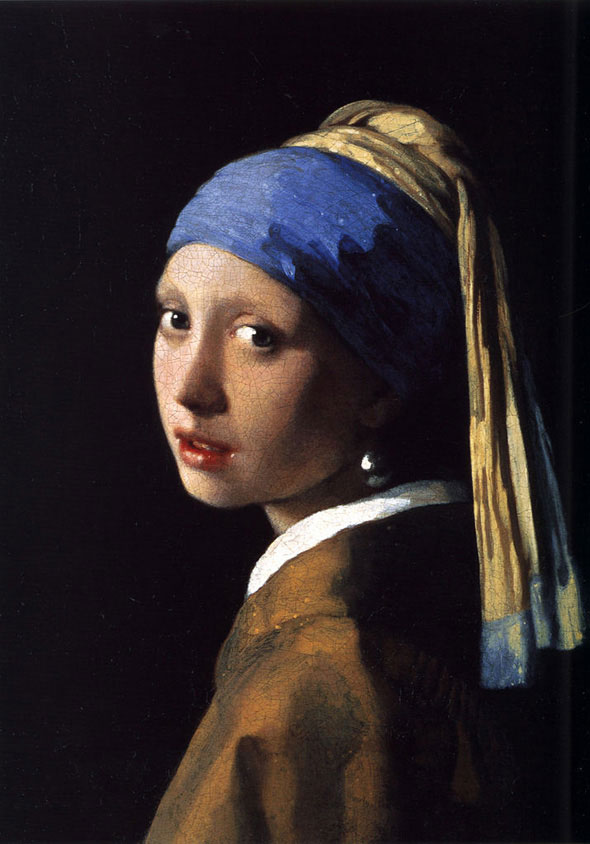
will start with Vermeer’s paintings and move to cubism, to surrealism, and to the quilts of Gee’s Bend and Bisa Butler.
Leonardo, Michelangelo, and Raphael: The Renaissance’s Greatest Artists
This talk will investigate and compare the artwork and personalities of the three greatest artists of all times who lived and worked at the same time. We will look at the masterful paintings of Leonardo, the sculptures of Michelangelo and the Vatican murals of Raphael. Their innovations in artistic style influenced all artists who
followed them.
Impressionism: The Fall of the French Art Establishment
In 1863, the Paris Salon rejected paintings by a group of maverick artists, soon to be called by critics the Impressionists when they mounted their own show. Little did the critics know that this art would be a lasting revolution, reshaping how the art world sees light, color and brush work.
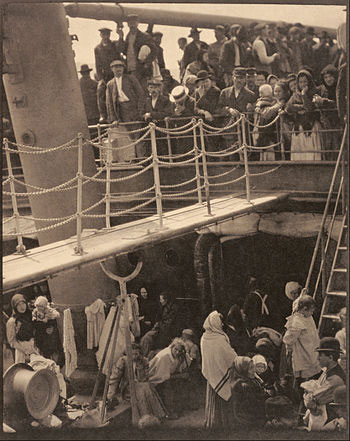
What Makes Photography Art?
This talk explores how the art of photography has evolved from earliest photographers like Eugene Atget, to the landscapes of Ansel Adams, the portraits of Richard Avedon and Annie Leibovitz and then focus on the identity shaping work of Cindy Sherman and Zanhele Muholi. We will look at how composition and engagement make photos “work” as documentary, and as art that helps us reflect on the world around us.
The Psychology of Color
Neuroaesthetics is a relatively new branch of neuropsychology. An artist chooses a combination of colors to capture a sunset, the infinite blues of the ocean, the color of a woman’s dress, or a distillation of nature. All sensory input one receives from a work of art must be filtered through the brain, and color is a powerful stimulant. Experiencing art through the effects it has on the brain opens a new way to understand the connection between science and art. The Psychology of Color will explore what makes one’s brain “light up,” why it does, and how that affects our reaction to a piece of art.
Michelangelo’s Sistine Chapel (1508-1512 and 1536-1541)
How did Michelangelo, noted Italian Renaissance sculptor, end up painting the world’s most famous frescos? This program provides an up-close look at the marvelous ceiling and discusses little known facts about how it was painted and hidden symbols.
The Feminine Perspective
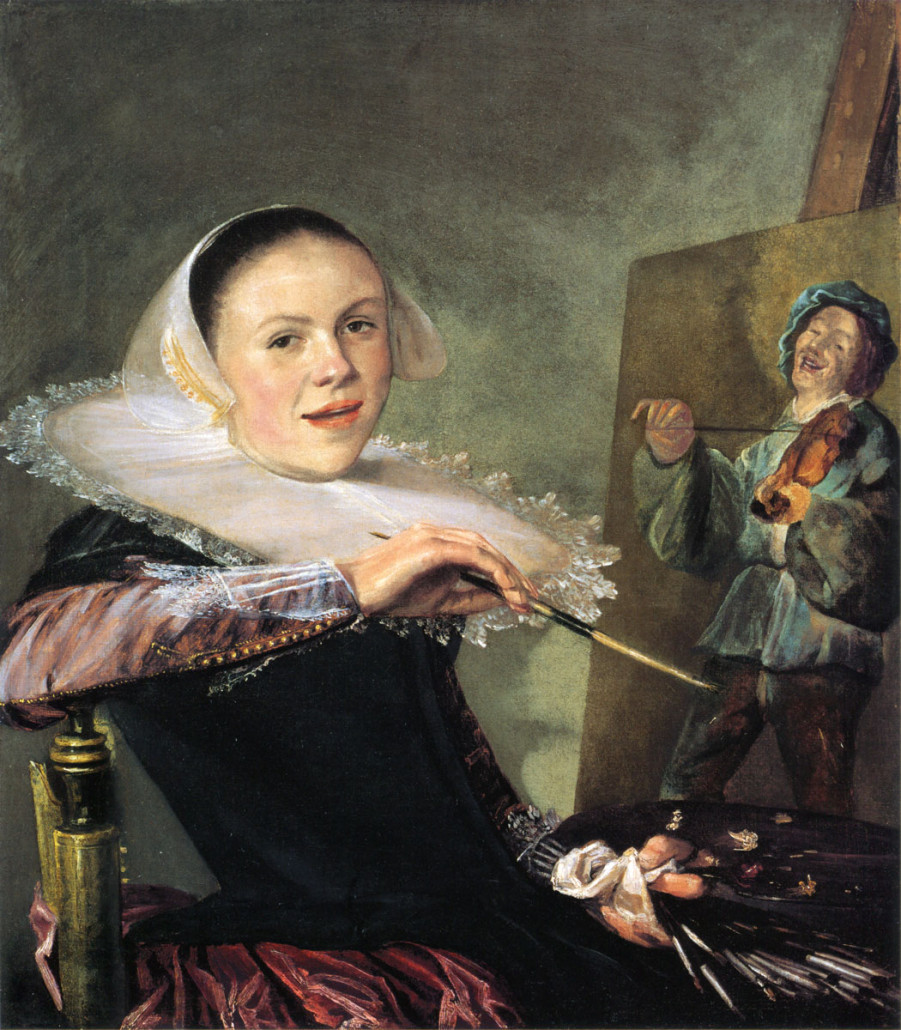
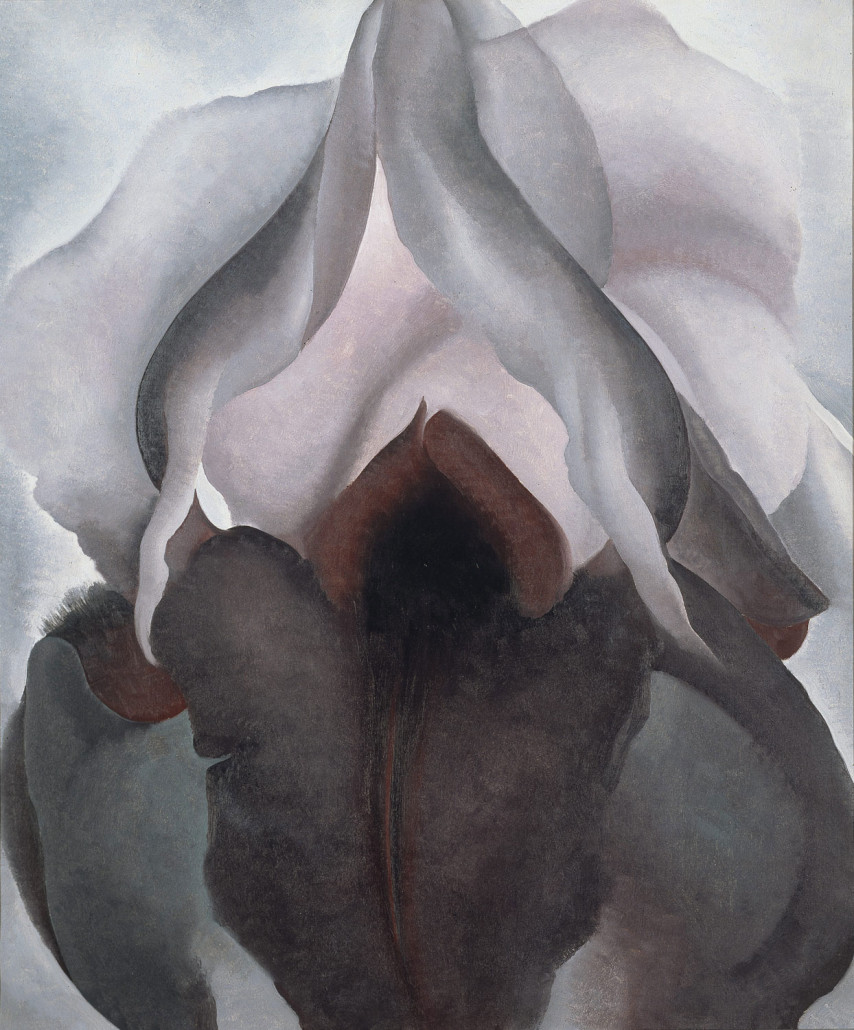
From the early 17th century to the present, women artists including Georgia O’Keeffe and Frida Kahlo have struggled for artistic recognition in the male-dominated art world. At last, many of these talented artists are being recognized for their skill as curators and critics reexamine their work.
Why is This Famous?
Of all of the artists and all of their work, why do some of them become famous or notorious when others remain in obscurity? We’ll look at famous works and explore the reasons behind the attention they have acquired.
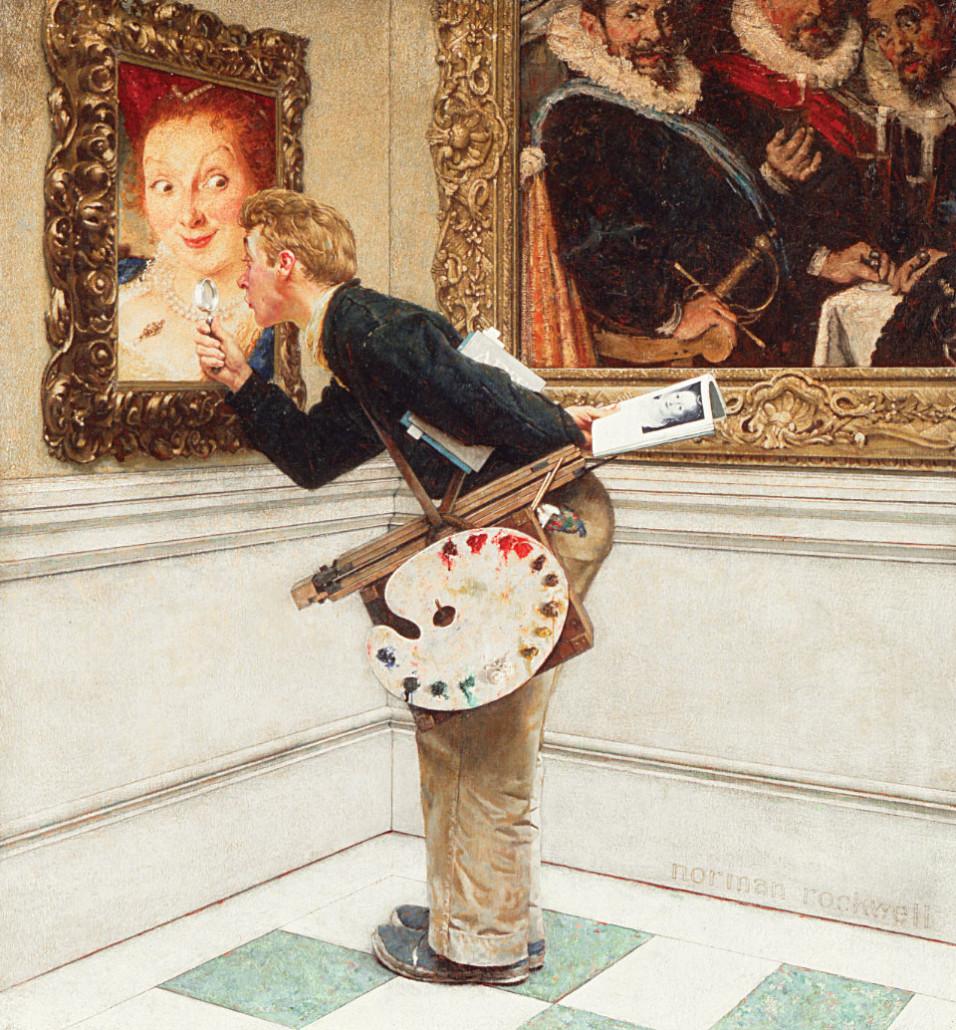
Norman Rockwell: America’s Illustrator
Undervalued as an artist during his lifetime, Rockwell made his mark as one of our most admired Illustrators. This program traces his development both as an artist and as a commentator on American life. Renewed interest in his work has elevated his stature in the fine art world.
Jewish Artists: 20th Century Outsiders, Innovators or Trendsetters?
Art is created in a social context, influenced by the inner life of the artist and the world in which he or she lives. For Jews in the end of the 19 century and through the 20th century, the world in which they lived was changing rapidly, often traumatizing ways. This presentation will look at the works of selected immigrant and first-generation Jewish artists in the United States, from Marc Chagall to Judy Chicago, examining how they represent their worlds, what their stories tell us and how they have influenced the art world.
Exploring the Diversity of Jewish Artistry
This program begins with the Dura Europus Synagogue in Syria (165-242 CE) and examines how Jewish artists and architects have influenced artistic movements through time, ending with the groundbreaking work of architect Frank Gehry and the photography of Annie Leibovitz.
Lastingness: How some artists change as they age. Or we can’t all be Mick Jagger.
By looking at artists’ works of art as they age, we can see changes in subject and technique and adaptions to physical limitations. Or attempts to stay the course. This may help better understand our own aging. As life expectancy is extended, more of us live with some limitations and still desire to create.
Art in 3-D
Using a wide variety of media, sculpture, one of the oldest forms of art, has continued to evolve over the centuries. We examine the roots of sculpture from the first known piece, some 29,500 years, ago to modern day.
Discovering Van Gogh
Vincent Van Gogh was a Dutch Post-Impressionist painter who is among the most famous and influential artists in the history of Western art. In just over a decade he created approximately 2,100 artworks, including around 860 oil paintings, most of them in the last two years of his life. Only one of his works was sold during his
lifetime but now Van Gogh’s paintings are among the world’s most sought and highest valued. This talk explores and illustrates his body of work and his troubled life.
The Amazing Art of Picasso
Pablo Picasso was a Spanish painter, sculptor, printmaker, ceramicist and theater designer who spent most of his life in France. His revolutionary artistic accomplishment made him one of the best known and influential artists of the 20th century. The presentation examines the different phases of his prolific career that lasted into his nineties.
French Impressionists You May Not Know
Names like Boudin, Bazille, and Caillebotte may not be as familiar as Monet, Manet, and Renoir, but their work and lives are equally engaging and with an influence on the art world that continues to this day.
Major Post-Impressionists: Creativity Does Not Stand Still
The success of the French Impressionists spurred artists like Cezanne, Gauguin, van Gogh, and Seurat to move forward, concentrating on line, structure and color harmony.
Fort Lauderdale’s Fabulous Art: Selections and Stories from NSU Art Museum’s Collection
Since the museum’s founding in 1958, the permanent collection has grown to more than 7,000 items spanning a range of artistic movements. This program focuses on ways to connect these works across time and place and the recognition they have acquired.
Art of the Pre-Raphaelites
In the late 19th century, a group of young British artists rebelled against the popular movements emerging in French art production, especially Impressionism. These artists looked back to the art of the Renaissance for their inspiration. They called themselves the Pre-Raphaelite Brotherhood. Dante Gabriel Rossetti, Edward
Burne-Jones and many others painted stunning models clad in historical costumes with intense color and mythological settings.
Making an Impression: Women join the Impressionism Revolution
We look at six women artists and how they shaped and were shaped by the Impressionism movement, and how they were accepted –or not–by the establishment and as peers to some of the movement’s great artists.
Artists in Love
Artists in Love looks at the lives, loves and artworks of artists married to artists. Some marriages were a source of great success; others were long years of struggles and disappointments. Many famous artist-couples introduced each other to new styles, some created artworks together. Many couples inspired each other while some were lost behind the other one’s fame.
Americans Discover Impressionism
After studying abroad, American artists came back with fresh ideas. They formed artist colonies and introduced Americans to the fluid brush strokes and the play of light that continue to be the hallmarks of Impressionism.
Coming of Age: American Art, 1850s to 1950s
Beginning with the Hudson River School and its emphasis on creating an art for America and about America, this program looks at the way American artists interpreted various movements in the development of art. Our examples come from the Addison Gallery in Massachusetts, including works not often seen.
Great Masters of Dutch and Flemish Painting
The Golden Age of the Dutch Republic was rich with invention, discovery and social, religious, economic and political change. The artists of this era both reflected the world around them and participated in these monumental changes. The tremendous flowering of the arts which began in 1590s; it was a Golden Age in which artistic achievement and innovation in works of art proceeded on a grand scale with an intensity that has no parallel in any other time, or place, in history. This talk will discuss important Dutch artists such as Rubens, Hals, Rembrandt and Vermeer.
Realism in a Modern Society
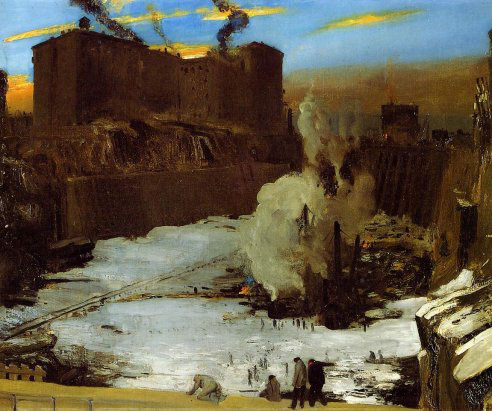
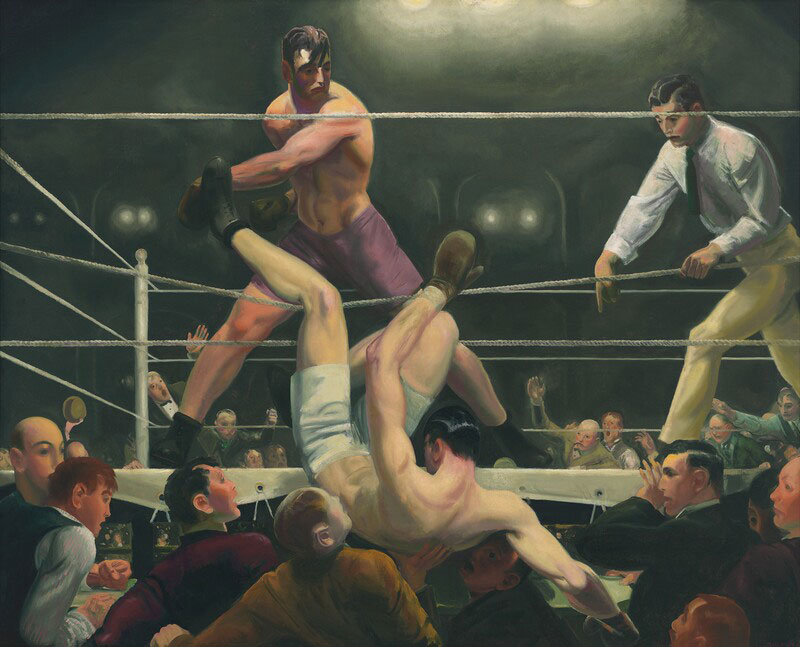
How does personality shape art? Two iconic New York artists, George Bellows and Edward Hopper, came from similar backgrounds and are considered masters of realism. Yet they present contrasting views of America in the early 20th century as well as striking contrasts in style and subject matter.
Picturing Women
For centuries, as cultures, tools and materials have evolved, women have had important roles as muses and models. Art often portrays women’s role in society and how they are perceived and valued.
Illustrated Book Talks featuring biographical novels based on artists and their art
The Night Portrait by Laura Morelli
A novel of World War II and Leonardo DaVinci’s Renaissance Italy, we meet the young noble woman who sat for the famous portrait “Woman with an Ermine” and the young Twentieth Century German woman who worked under great danger to her own life with the American Monuments Men to rescue the portrait from the Nazi war machine. Five hundred years separate these women who must navigate the dangers of their own times, and one painting connects them.
The Muralist by B. A. Shapiro
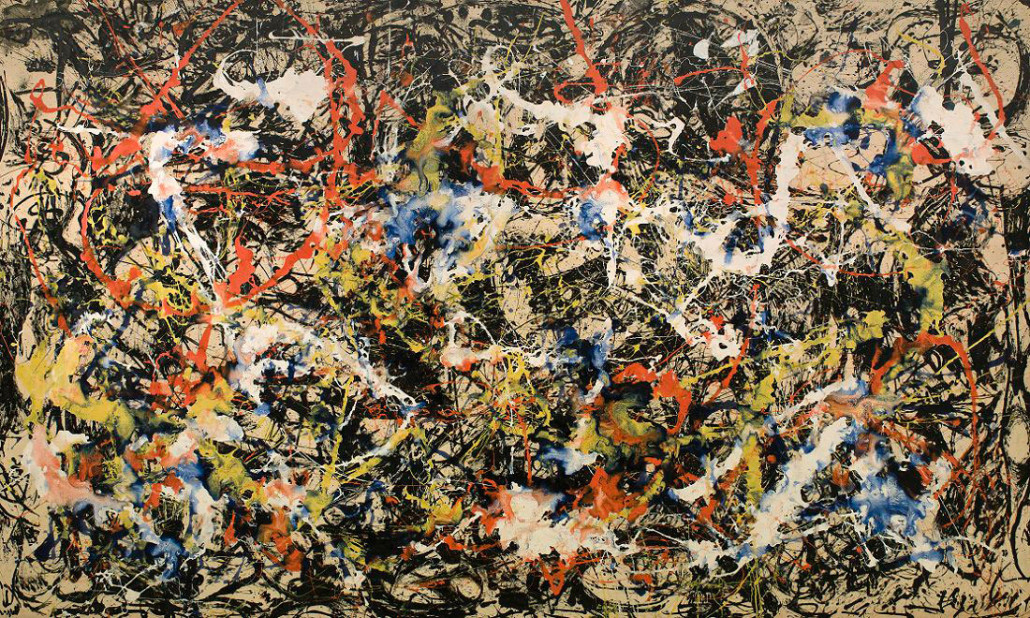
This novel is a fictional account of a time of political, social and economic upheaval in America and a new way of looking at art as an expression of these times. The Depression, war in Europe and changing social pressures gave rise to Surrealism, Abstract Expressionism and Color Field painting. Young artists found support through WPA projects and the careers of three artistic headliners – Jackson Pollock, Lee Krasner and Mark Rothko take leading roles in this historical imagining of those fast-changing times.
The Last Van Gogh by Alyson Richman
This historical novel focuses a light on the final months of Vincent Van Gogh’s troubled life. It imagines the relationship between Van Gogh and the family of his physician, Dr. Gachet. These last months produced a bounty of masterpieces, sometimes a painting a day, which include portraits, now world-famous, of Dr. Gachet and his daughter, Marguerite. It is a glimpse into the man, Vincent, as well as the artist, Van Gogh.
Girl Braiding Her Hair by Marta Molnar
Her face and costumed poses are familiar to viewers as seen in paintings by Renoir, Degas and Toulouse-Lautrec, but few today know the story of artist’s model, Suzanne Valadon. A respected painter in her own right and time, after her death in 1938 her artistic reputation was eclipsed by the career of her artist son, Maurice Utrillo. More likely, this was because she was a woman in a man’s world. This novel sheds light on a talented and ambitious woman of early Twentieth-Century bohemian Paris.
The Marriage of Opposites by Alice Roman
From his childhood in St. Thomas V.I. to the busy streets of Paris, Camille Pissarro’s story is a journey into the world that fostered the artistic movement we know as Impressionism. Independent, radical, a genius who created a new way of looking at and representing the world in paint, Pissarro is considered by many to be the father of Impressionism. His use of colors and the habit of painting outdoors en plein air influenced the art of Cezanne, Monet, Manet and Van Gogh. His story, both personal and artistic, is enriched in the capable hands of Alice Hoffman.
The Tiffany Girls by Shelley Noble
At the dawn of the Twentieth Century, Louis Comfort Tiffany was determined to be the world’s finest master of art glass. To complete his visions, he employed a staff of
talented women, skilled artists and artisans, who called themselves the Tiffany Girls.
This discussion explores the Tiffany Glass Company and specifically the legacies of two of the Tiffany Girls, Agnes Northrop and Clara Driscol. Their work is reflected in the highly valued and collectible Tiffany art glass and monumental decorative windows the art world continues to celebrate.
Manet and Morisot
The Lost Masterpiece by B. A. Shapiro
This is the love story of Edouard Manet and Berthe Morisot. Paris I. The 19th Century set the stage for the birth of Modern Art which began with Impressionism. Manet and Morisot shared a passion for this new “modern” Art, each in a personal way. They also shared deep family secrets. Their lives were intertwined in ways that
have fascinated both critics and writers since they were living their story. The artistic legacy of Edouard Manet and Berthe Morisot is a story worth relishing. It is a story of great art and great passion.
Fierce Poise: Helen Frankenthaler and the 1950s New York by Alexander Nemerov
Helen Frankenthaler, born to a life of privilege, chose to be an artist in a time when art was still considered a woman’s hobby. Fiercely independent, bending the rules of society and art, she made “some of the most daring head-turning paintings of her day.” Art historian Alexander Nemerov travels through the art scene of 1950s
New York and introduces us to Frankenthaler’s friends, lovers, and fellow artists including Wilhelm and Elaine de Kooning, Jackson Pollock and Lee Krasner, Grace Hartigan and the poet Frank O’Hara as well as her equally famous husband, artist Robert Motherwell.
The Friday Night Club by Sofia Lundberg, Alyson Richman and M.J. Rose
In the early 1900s the Swedish artist Hilma af Klint formed a group of like-minded women to create and discuss art. The Friday Night Club, explores what it was like to be a woman with radical new ideas about art in a world that placed little value on women, female artists in particular
If a topic you are interested in is not listed, please inquire about availability.
For more information or to book a speaker, email [email protected] or call 954-262-0204.
Join our Mailing List to stay updated on all our events
Exhibitions
Currently on View
https://nsuartmuseum.org/wp-content/uploads/2026/09/OTP1903-thumbnail-scaled.jpg
946
2560
David Guidi
https://nsuartmuseum.org/wp-content/uploads/2021/03/NSU-Logo-2021.png
David Guidi2026-09-16 11:29:452026-10-21 09:44:04Michael Richards: Escape Plan https://nsuartmuseum.org/wp-content/uploads/2026/08/1010750-1030x643-1.jpg
643
1030
David Guidi
https://nsuartmuseum.org/wp-content/uploads/2021/03/NSU-Logo-2021.png
David Guidi2026-08-12 16:44:452026-09-09 11:53:22Wifredo Lam’s Legacy
https://nsuartmuseum.org/wp-content/uploads/2026/08/1010750-1030x643-1.jpg
643
1030
David Guidi
https://nsuartmuseum.org/wp-content/uploads/2021/03/NSU-Logo-2021.png
David Guidi2026-08-12 16:44:452026-09-09 11:53:22Wifredo Lam’s Legacy https://nsuartmuseum.org/wp-content/uploads/2026/07/JoelMeyerowitz911-scaled.jpg
2560
1682
David Guidi
https://nsuartmuseum.org/wp-content/uploads/2021/03/NSU-Logo-2021.png
David Guidi2026-07-13 12:24:042026-09-09 11:48:14Joel Meyerowitz: Aftermath
https://nsuartmuseum.org/wp-content/uploads/2026/07/JoelMeyerowitz911-scaled.jpg
2560
1682
David Guidi
https://nsuartmuseum.org/wp-content/uploads/2021/03/NSU-Logo-2021.png
David Guidi2026-07-13 12:24:042026-09-09 11:48:14Joel Meyerowitz: Aftermath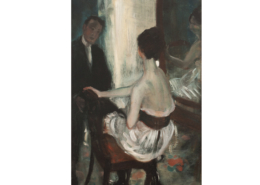 https://nsuartmuseum.org/wp-content/uploads/2025/04/OnViewSizing-01-scaled.jpg
2070
2560
David Guidi
https://nsuartmuseum.org/wp-content/uploads/2021/03/NSU-Logo-2021.png
David Guidi2025-05-03 15:46:242026-07-29 10:36:44A Backward Glance: Highlights from the William J. Glackens Collection
https://nsuartmuseum.org/wp-content/uploads/2025/04/OnViewSizing-01-scaled.jpg
2070
2560
David Guidi
https://nsuartmuseum.org/wp-content/uploads/2021/03/NSU-Logo-2021.png
David Guidi2025-05-03 15:46:242026-07-29 10:36:44A Backward Glance: Highlights from the William J. Glackens Collection

NSU Art Museum is part of Nova Southeastern University

NSU Art Museum is supported by the City of Fort Lauderdale