The Riddle of the Sphinx and Other Mysteries

Opens May 30, 2025
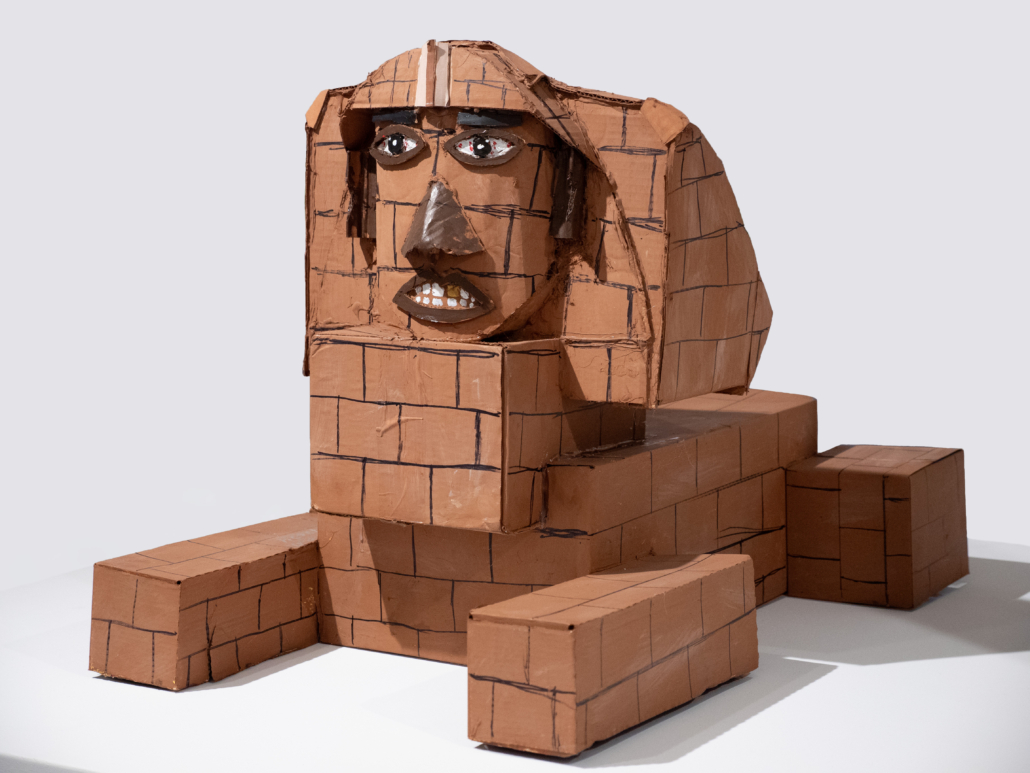
Cardboard Sphinx

Since prehistoric times, humans have used images and geometric forms to convey belief systems, stories, and personal experiences. Even abstract art is shaped by cultural, political, and personal perspectives, conveyed through choices in shape, color, and reference. While certain symbols are widely understood within a certain time and place, their meanings become obscured as they drift away from their original context. As ideas and objects circulate across time and cultures, meanings shift and evolve.

The figure of the monumental Great Sphinx of Giza in Egypt exemplifies this transformation of meaning. With a body of a lion and a human head whose face is thought to depict that of King Khafre (c. 2575-c. 2465 BCE), this creature is a powerful symbol of authority, strength and guardianship.  1,000 years later, during Egypt’s Second Kingdom, it became associated with the sun god Hor-em-akhet. It wasn’t until 2,000 years after its construction, when Giza had become a tourist destination in Graeco-Roman times, that the commonly used name “Sphinx” was given to it, as a reference to the Greek mythological hybrid beast, which has the head of a woman (cat or falcon) and a winged lion’s body.  The Greek Sphinx was a creature who posed riddles, most famously in Sophocles’ 5th century BCE tragedy Oedipus Rex, where solving a puzzle became a matter of life and death. In this way, the Sphinx became a symbol of games, mystery, and interpretation.

Images from top to bottom:

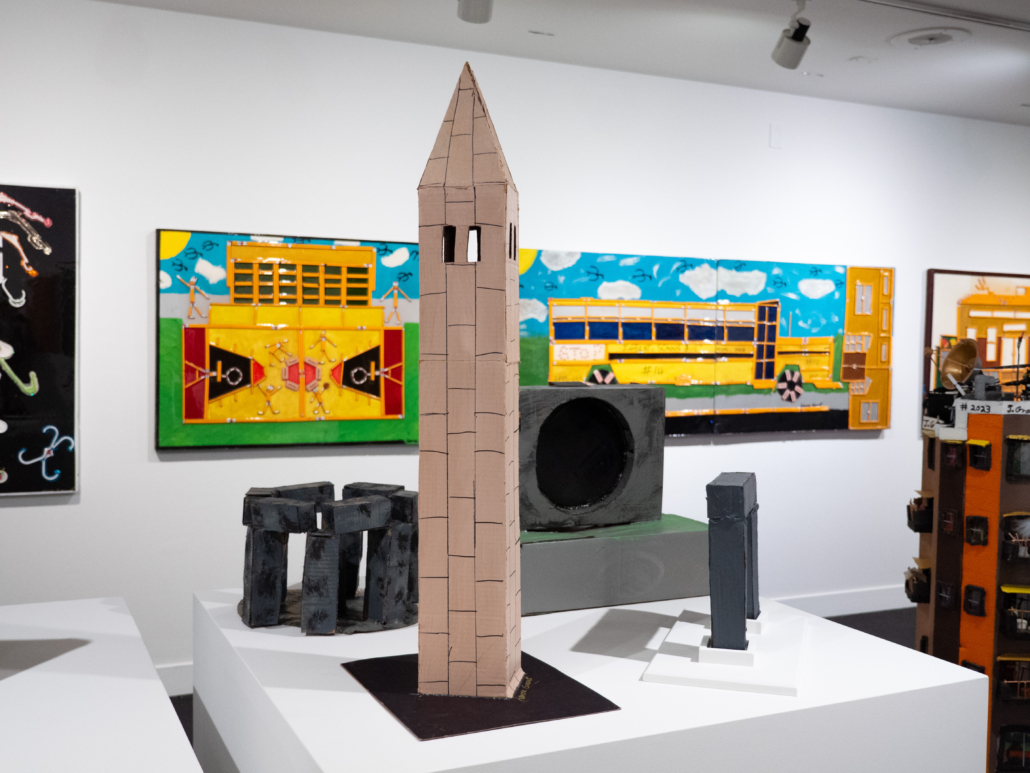
Jaime Grant, Egyptian Sculpture, 2024. NSU Art Museum Fort Lauderdale; Gift of Jaime Grant.

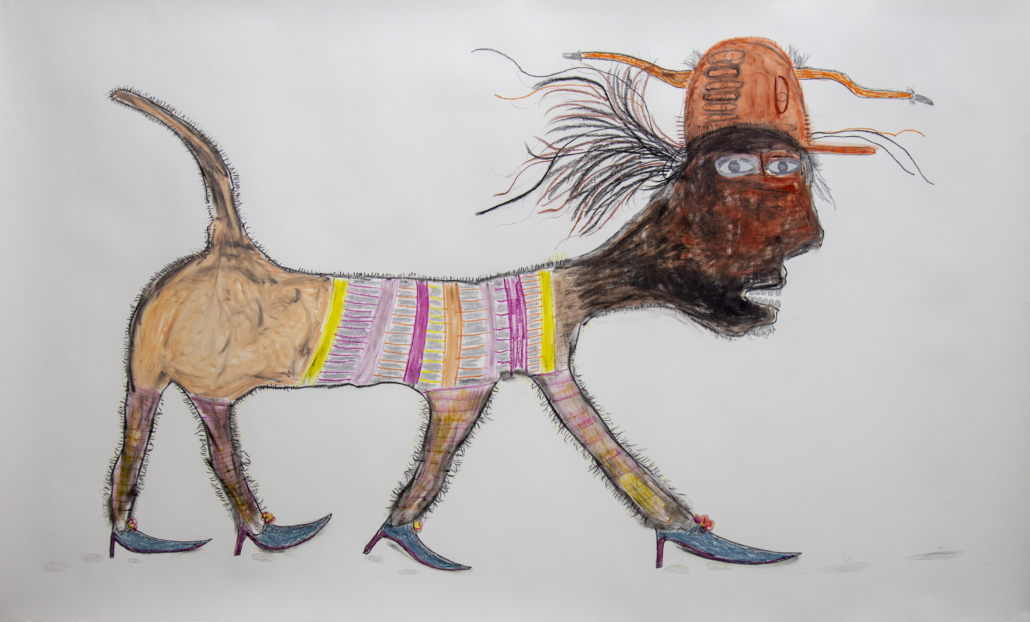
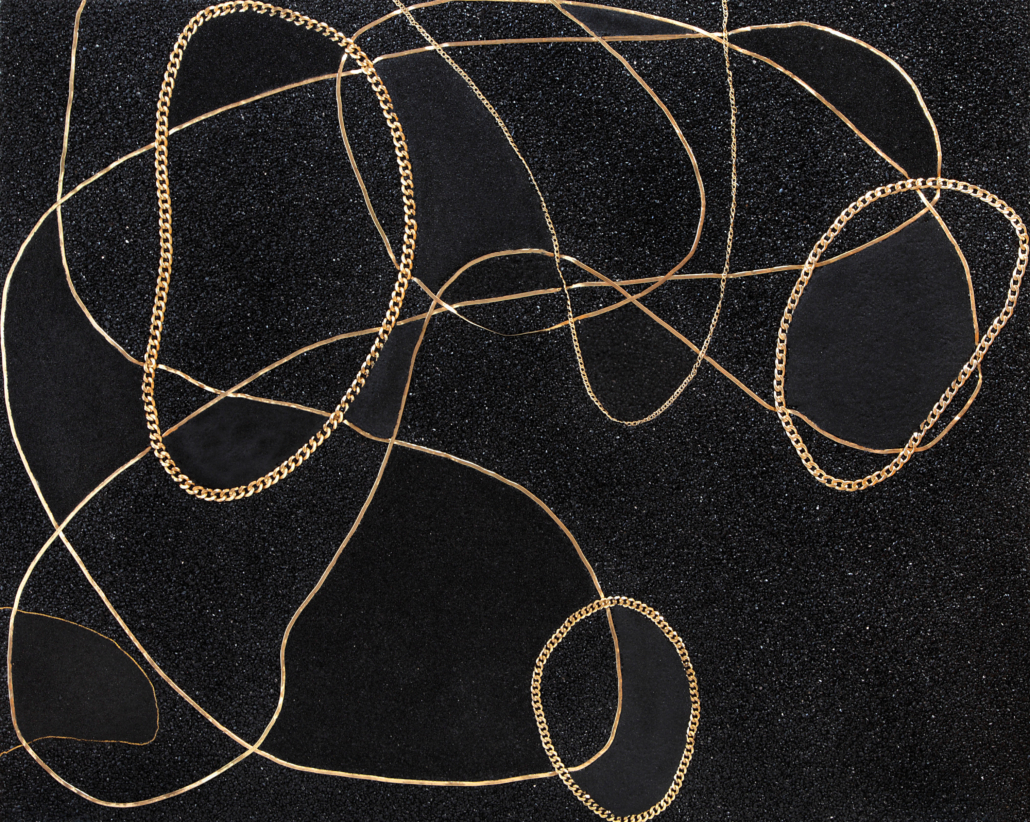
Emilio Martinez, Being Happy is My Choice (Ser feliz es mi decision), 2019. NSU Art Museum Fort Lauderdale; purchased with funds provided by Michael and Dianne Bienes.

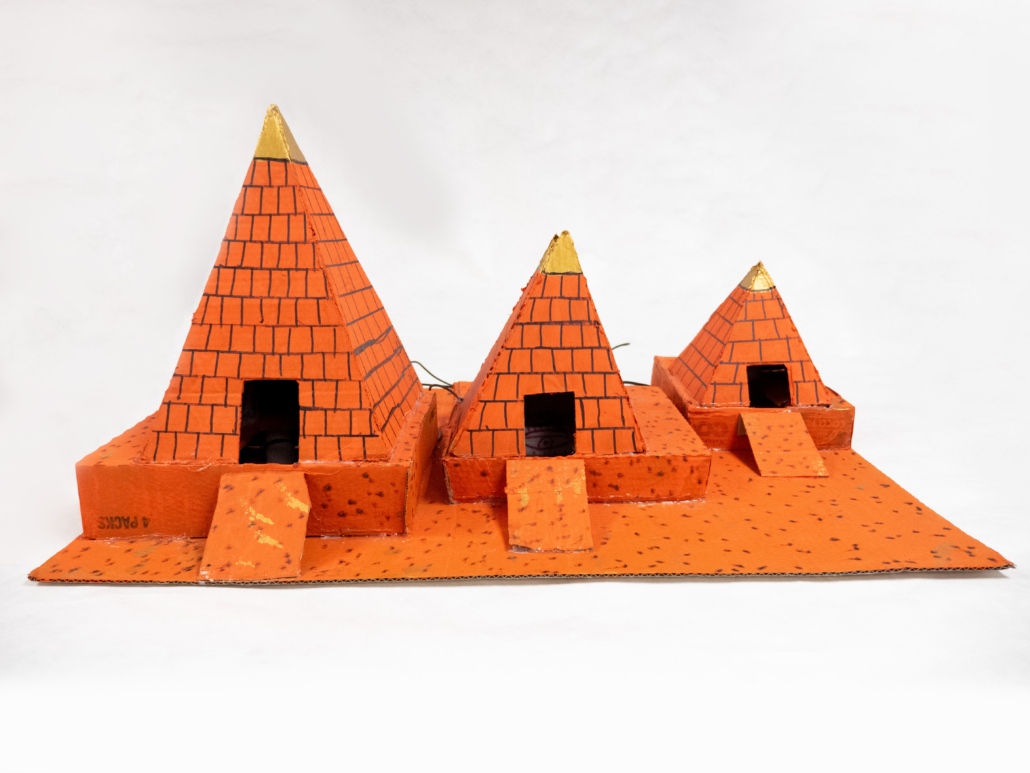
Jaime Grant, Pyramid, 2024. NSU Art Museum Fort Lauderdale; Gift of Jaime Grant.

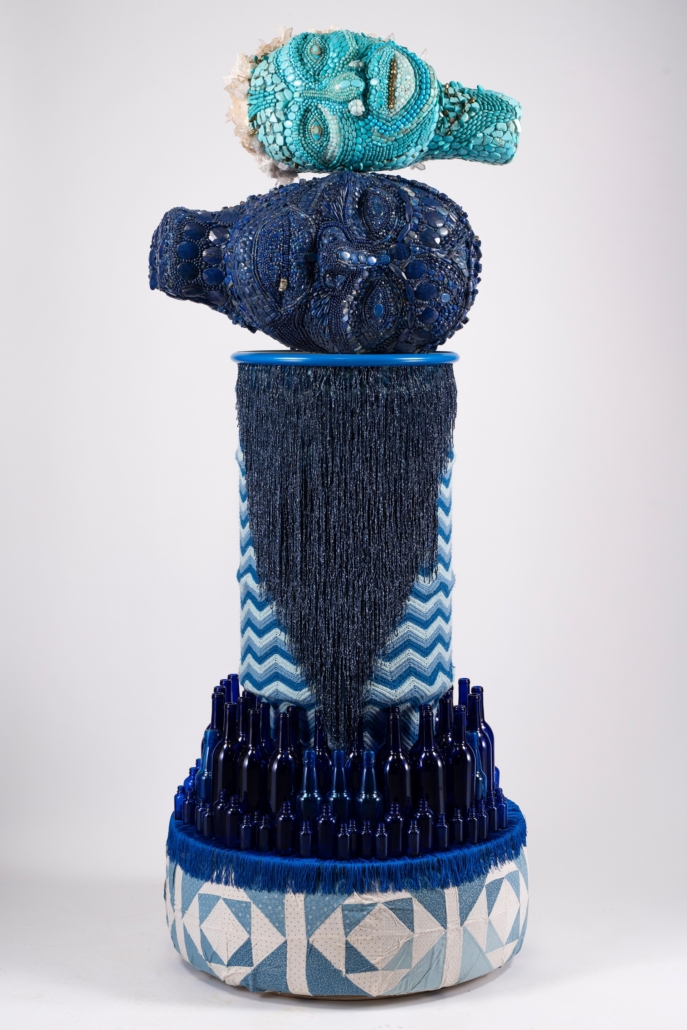
vanessa german, The Blue Boys Blues, 2024. NSU Art Museum Fort Lauderdale, purchased through the Susan S. Miller Acquisitions Fund.

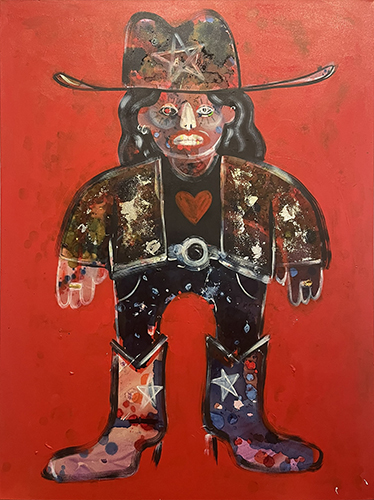
Cici McMonigle, I’ll Hold You in My Heart, 2024. Collection NSU Art Museum Fort Lauderdale; purchased with funds provided by Curator Circle.

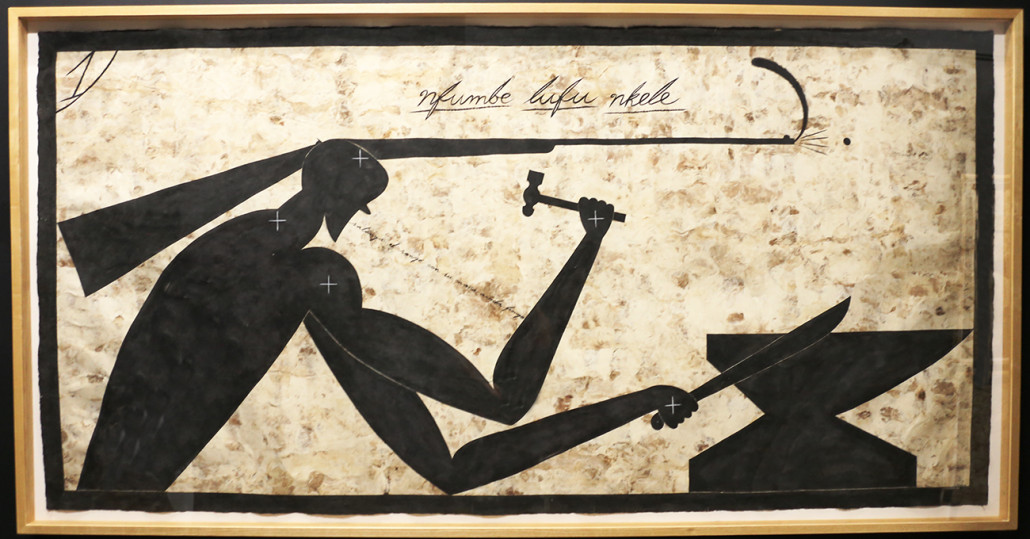
José Bedia, 01 Nfumbe Lufu Nkele (Spirit of the Blacksmith’s Gun), 1992. NSU Art Museum Fort Lauderdale; courtesy of Rosa and Carlos de la Cruz, Key Biscayne, FL.

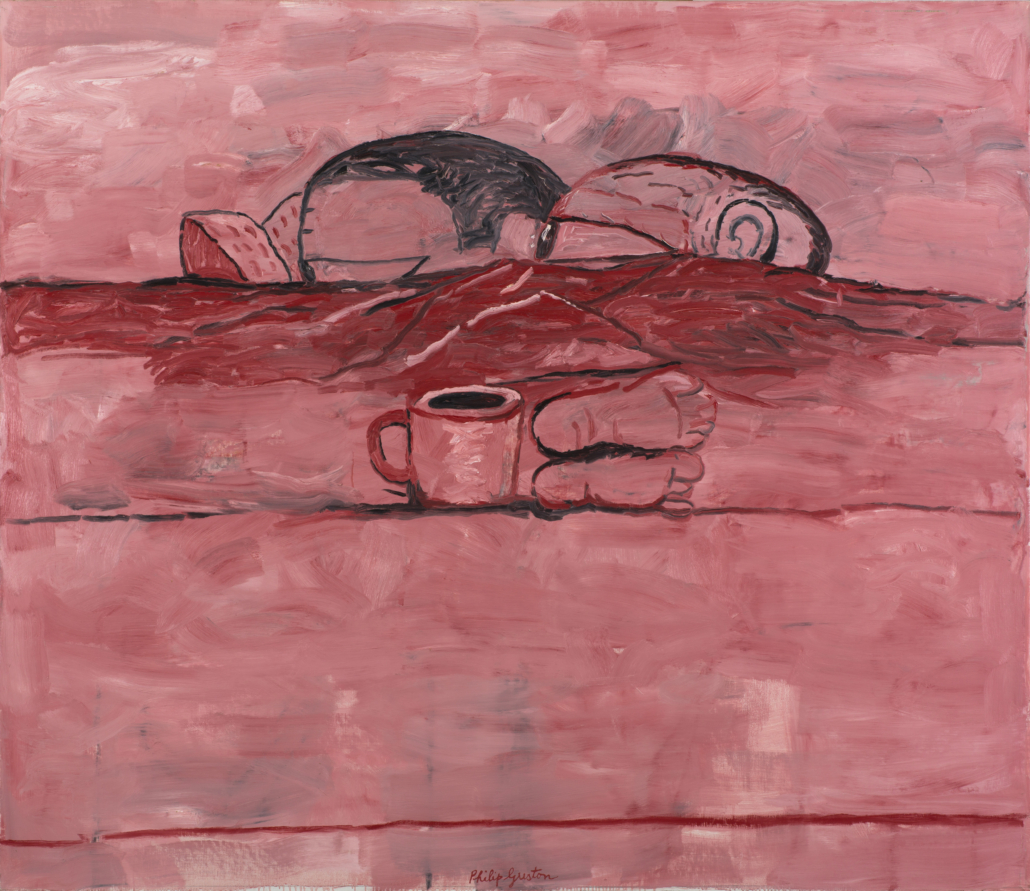
Philip Guston, Afloat, 1975. NSU Art Museum Fort Lauderdale; bequest of Musa Guston. © 2025 The Estate of Philip Guston, courtesy Hauser & Wirth

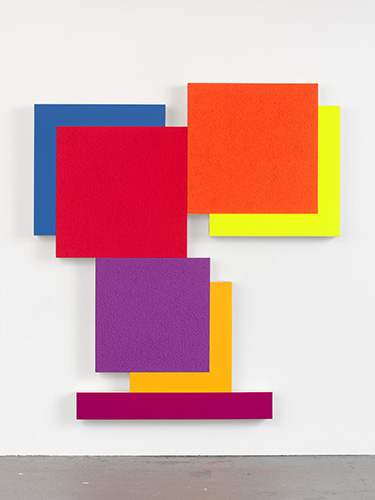
Peter Halley, Persuasion, 2022. NSU Art Museum Fort Lauderdale; Courtesy of the Artist and Karma. © 2025 Peter Halley

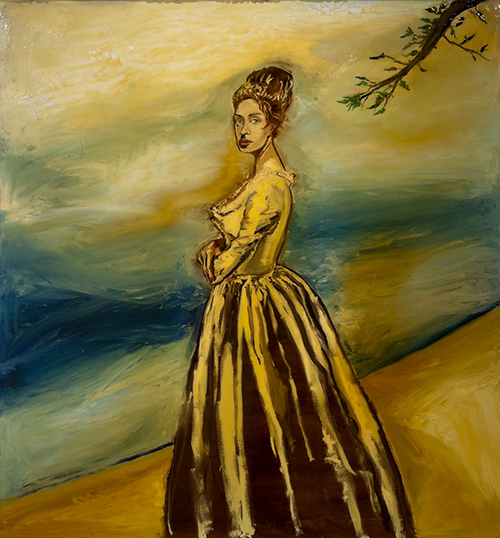
Julian Schnabel, Portrait of Olatz Schnabel, 1997. NSU Art Museum Fort Lauderdale; gift of Private Collection of Olatz Schnabel.

Luis Gispert, Bojangles, 2016. NSU Art Museum Fort Lauderdale; gift of Dr. Robert B. Feldman.

Jaime Grant, Washington Monument, 2024. NSU Art Museum Fort Lauderdale; Gift of Jaime Grant 2024.

Major support for NSU Art Museum Fort Lauderdale is provided by the David and Francie Horvitz Family Foundation Endowment, the City of Fort Lauderdale, Jerry Taylor and Nancy Bryant Foundation, Wayne and Lucretia Weiner, Broward County Cultural Division, the Cultural Council, and the Broward County Board of County Commissioners, sponsored in part by the State of Florida through the Division of Arts and Culture and the National Endowment for the Arts, Community Foundation of Broward, Lillian S. Wells Foundation, the Wege Foundation, Beaux Arts of Fort Lauderdale, The Hudson Family Foundation, Delia Moog, Charles and Laura Palmer, Dr. Barry and Judy Silverman, Broward Health, and Friends of NSU Art Museum. NSU Art Museum Fort Lauderdale is accredited by the American Alliance of Museums.

BoilerplateLogosWithoutState