Virtual Resources
At-Home Art Activity
Since prehistoric times, humans have used images and geometric forms to convey belief systems, stories, and personal experiences. Even abstract art is shaped by cultural, political, and personal perspectives, conveyed through choices in shape, color, and reference. While certain symbols are widely understood within a certain time and place, their meanings become obscured as they drift away from their original context. As ideas and objects circulate across time and cultures, meanings shift and evolve. Like the Sphinx, this exhibition invites viewers to engage with art as a series of puzzles to be decoded, and to apply their experiences to form their own interpretations. Works are drawn primarily from the museum’s collection and grouped by themes including Myth and Ritual, Hybrid Creatures, Abstraction, Figuration, and the Americas.
Materials
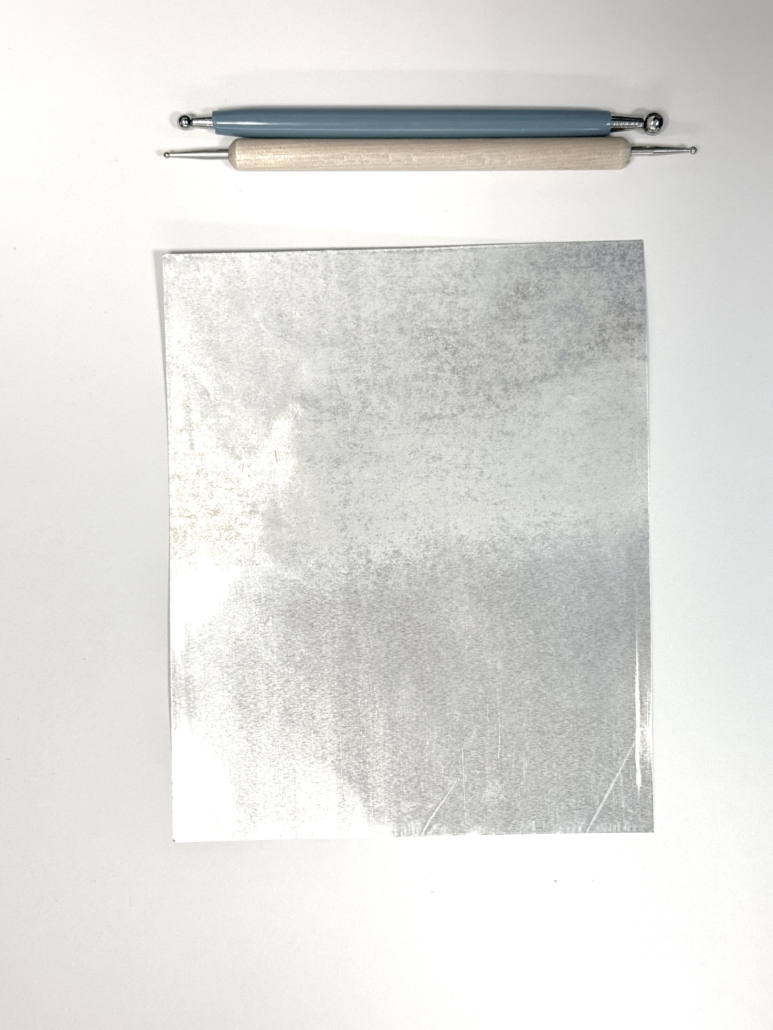
- Tin Craft Sheets/Aluminum Foil
- Sculpting Tools/pencil
- Cardboard or Felt Base
Art Vocabulary
- Sculpture – An art form made in three dimensions. Sculptures can be made by craving, modeling, or placing materials together.
- Relief – An artwork that projects out from a background surface.
- Low relief – The design projects only slightly from the ground and there is little or no undercutting of outlines.
- High relief – The design projects drastically from the surface and some parts may be undercut and detached.
- Embossing Is the process of creating a raised image, design, or text on a material, such as paper, leather, or metal sheets.
- Positive space – The main object or subject within a composition.
- Negative space – The area surrounding the main object or subject.
- Organic shape – Irregular and uneven shapes, shapes we would see in nature
- Geometric shape – Precise and regular shapes, like squares, rectangles, and triangles
Virtual Resources
Inspiration for your Imagination
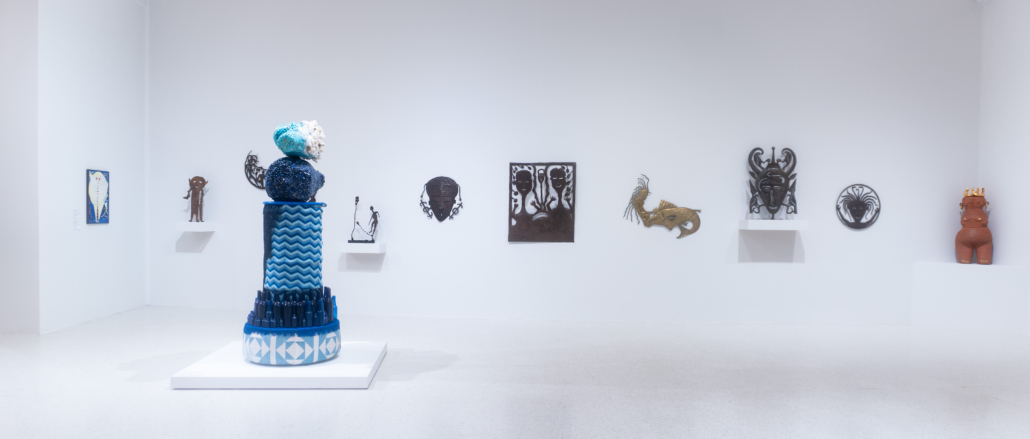
Installation view of The Riddle of the Sphinx and other Mysteries
Art Activity
Instructions
Step 1
Your materials are: Tin Craft Sheets/Aluminum Foil, Sculpting Tools/pencil, Cardboard or Felt Base
Step 2
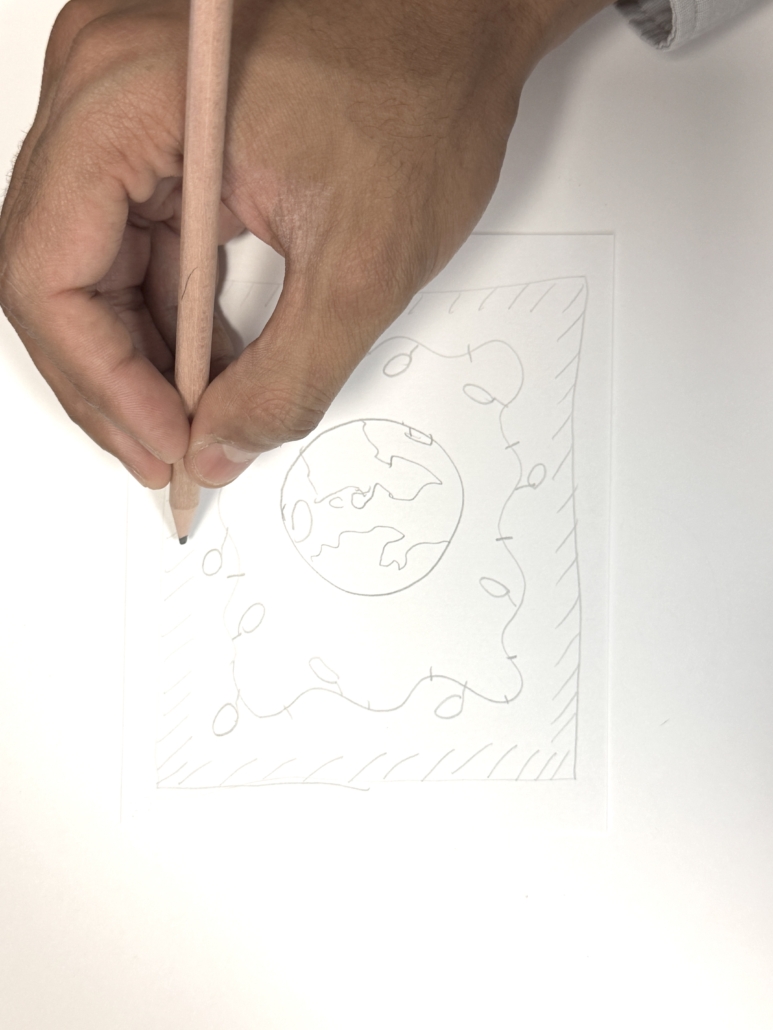
First, think of a design you can make using lines and dots. You can use a pencil and paper to plan your design.
Step 3
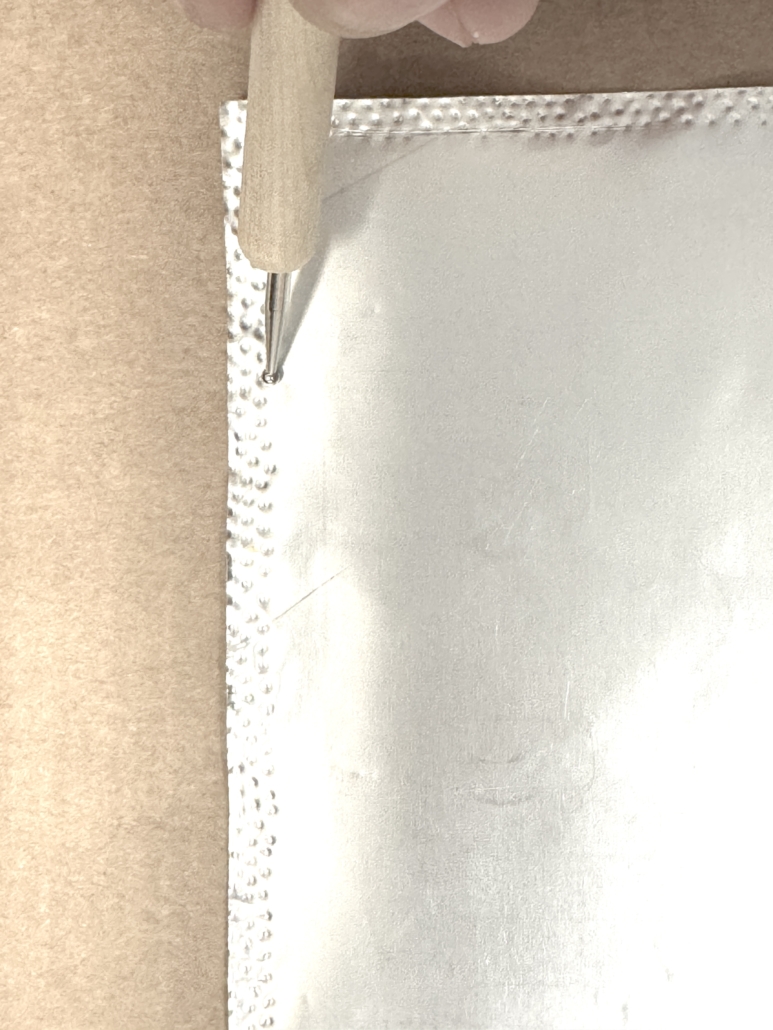
After you have your design then place your tin on your cardboard and begin imprinting into the tin with your sculpting tool/pencil.
Step 4
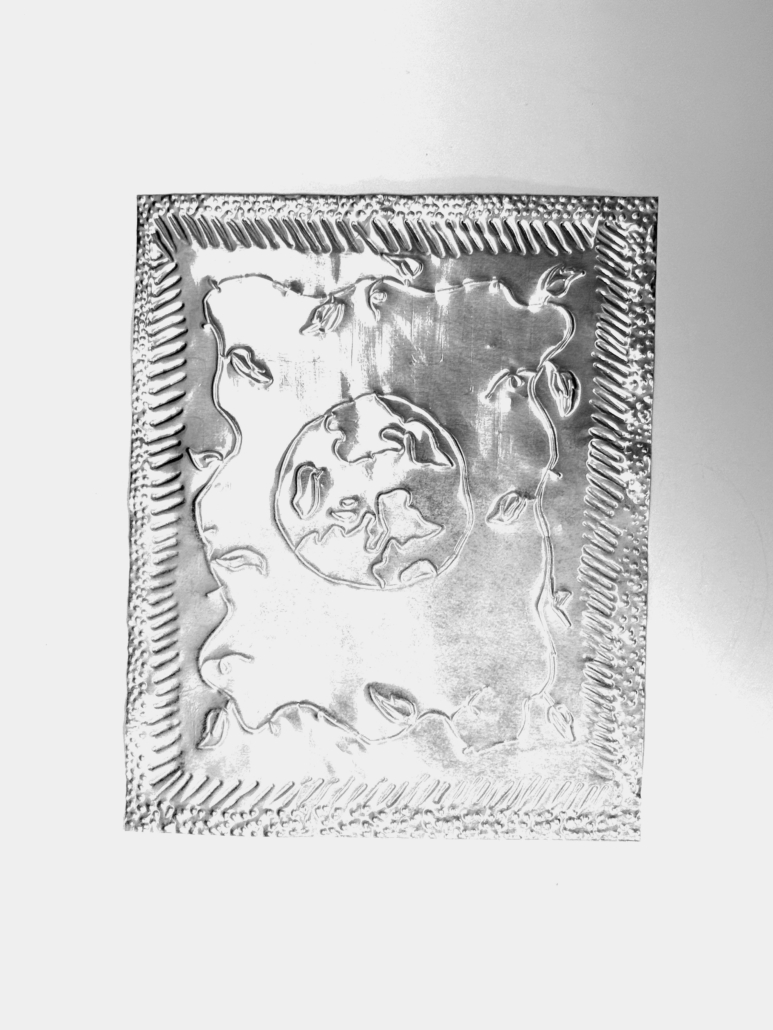
You can turn over your metal to experiment with embossed and debossed markmaking. Here is your finished Haitial Metal Art inspired by Serge Jolimeau
Art Activity
Notes
Thank you for joining us, dont forget to snap a photo of you and your artwork!
Tag us @nsuartmuseum
*If you have any questions about these art activities please contact NSU Art Museum at [email protected] or call 954-262-5500*


NSU Art Museum is part of Nova Southeastern University

NSU Art Museum is supported by the City of Fort Lauderdale